

Why we launched Operator Experience
and the problems it solves

In late 2025, I spoke to more than 60 brand-side leaders & operators about the retail industry and their attitudes towards AI. Founders, COOs, heads of merchandising, finance, supply chain, customer service. People in the engine rooms of the brands you’ve heard of.
Three things came up over and over. They’re the reason Operator Experience exists.
Problem 1: Nobody knows where to go for AI help
This came up in almost every conversation. Not “what tool should I use?”, but the bigger question. How should I be thinking about this? What should we be doing as an organisation? Who do I trust to give me a straight answer?
The advice landscape is a mess. LinkedIn grifters, vendor pitches, self-appointed AI influencers, half of whom have shipped nothing inside an actual brand. For operators trying to do their jobs while also working out where AI fits in the next 12 months, that’s not useful. It’s noise.
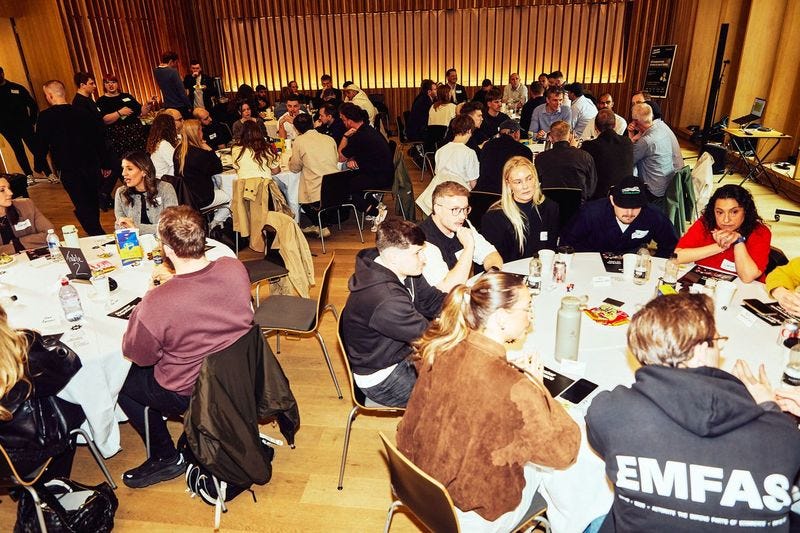
What people kept asking for was time with peers in similar brands, fulfilling similar roles who were genuinely trying things, prepared to share what worked and what didn’t, and not flogging something at the end of it.
Problem 2: Operators are underserved in the event space
This is the one I think the industry has known for a long time and not done much about.
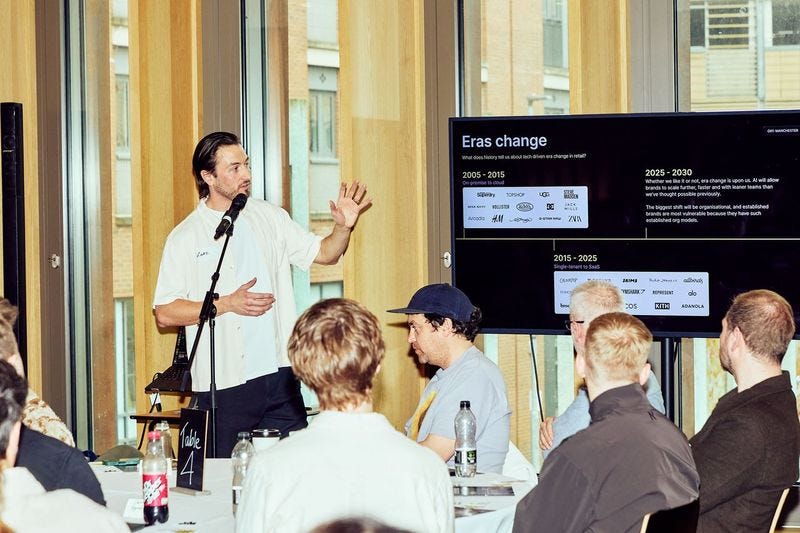
The established communities and events that are hosted are mostly pointed at the sexier stuff. Digital, paid media, marketing. There’s no shortage of well-lit rooms for performance marketers, and no shortage of glossy stages for creatives to talk about brand.
But finance, merchandising, commercial, ops, CS, the people running the actual business, don’t have the same spaces. When I asked operators where they go for community, the honest answer was usually a shrug. A WhatsApp group here and there. A Slack they were lurking in but not contributing to. Nothing really built for them.
These are the people making the decisions that determine whether a brand survives the next two years. They deserve a community that takes them seriously.
Problem 3: Events are slide decks and sales pitches, not practical action
Even where operator-relevant content does exist, the format usually doesn’t help anyone.
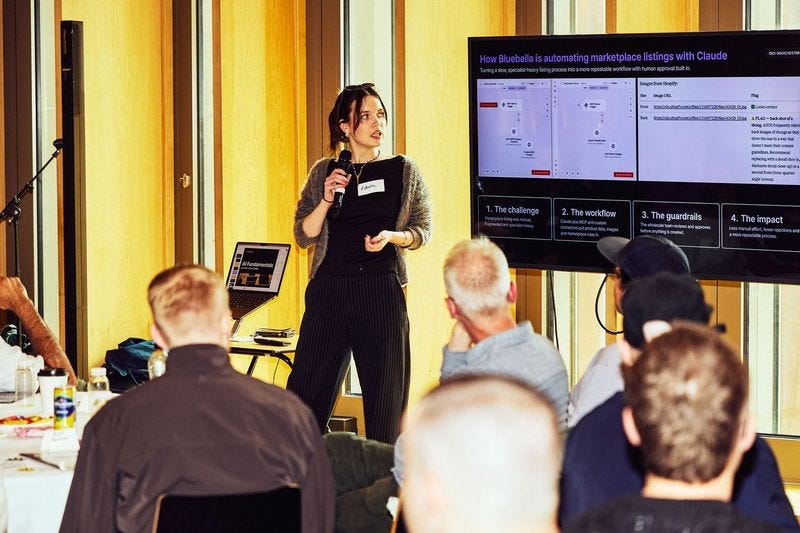
The standard ecom event is a stage, a panel, a few keynotes, a Q&A that runs out of time. People nod, take photos of slides, network at the bar, go home. There’s nothing wrong with that format in moderation, but it’s passive. They’ll tend to focus on inspiration and what people are up to, but very rarely focuses on how to actually impact your brand operations or help you solve the thing you’re actually wrestling with on Monday morning.
Operators don’t need more keynotes. They need rooms where they can compare notes with peers who are dealing with the same problems, with enough structure to make the conversation useful and enough space to make it honest.
The solution: Operator Experience
OX (Operator Experience) is a community and event series built specifically for the people running brands. Not the people marketing them.
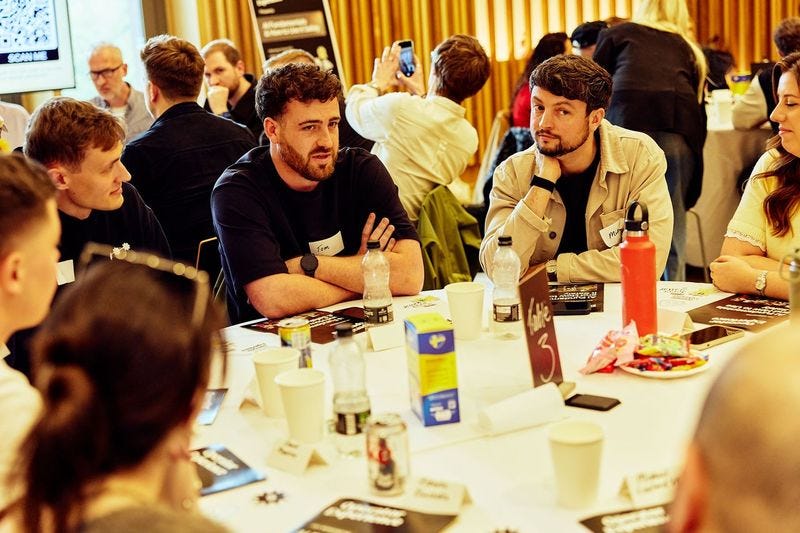
The format is intentional. Invite-only, peer-led, practical. We’re not trying to build the biggest ecom event in Europe. We’re trying to build the most useful one for operators.
There are two parts to it.
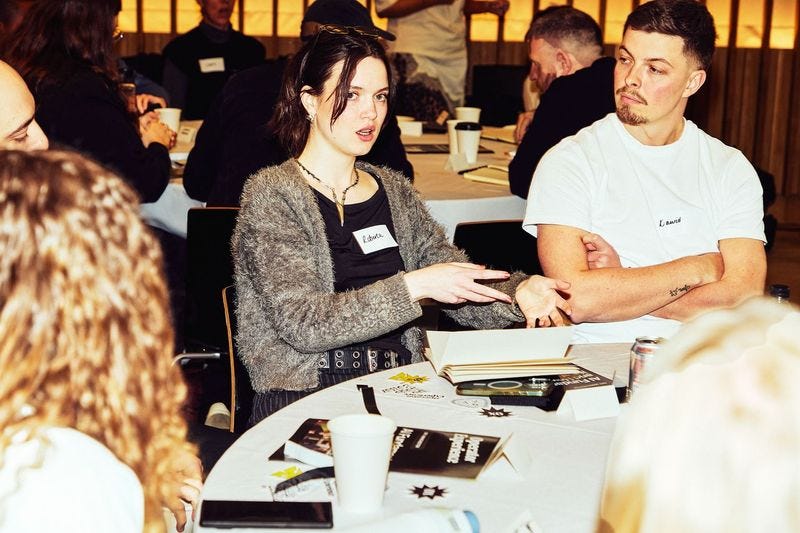
1 - The events. OX1 was the first. Smaller groups, fewer slides, more conversation. Practical sessions on AI integration, organisational design, the operational work most brands are figuring out without much help. The mix in the room matters: founders, ops leads, finance, merch, supply chain, CS, all in the same conversation, because the problems they’re solving don’t sit neatly inside any one function.
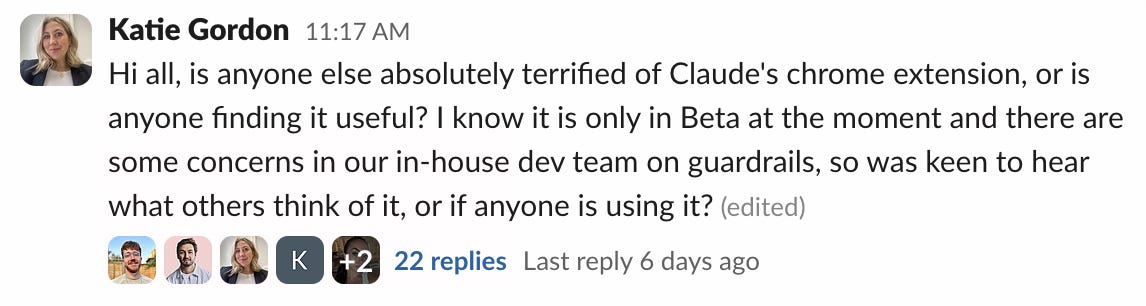
2 - The Slack community. Between events, the conversation continues. Members share what they’re working on, ask each other for input, post things they wouldn’t say publicly on LinkedIn. It’s the bit that turns a single event into a network that compounds.
Why this matters now
In my latest article, I spelled out how the next five years will be defined by which brands can adapt their operating models to the AI era. The ones that can’t restructure around process teams, that can’t move people from doing the work to directing it, will struggle. The ones that can will scale further with leaner teams will win.
That transition is happening inside the operator function. It’s the merch teams figuring out how to integrate forecasting agents. The finance teams rebuilding planning workflows. The CS teams deciding which decisions to keep human and which to hand off. None of this is being well-served by an event circuit still mostly pointed at how to spend a Q4 marketing budget.
Operators need their own space. Not because marketers don’t deserve theirs, but because the questions are different and the answers don’t transfer.
Credit where it’s due
I should be honest about who’s actually built this. The concept is one thing. Turning it into a real community with members, a Slack that’s active and an event that actually happens, that’s Lauren. She’s driven things, brought in the brands and the partners, and shaped the format into what it is. Without her, this would still be an idea being bounced around (likely, on repeat).

What’s next
OX1 was a starting point. OX2 in London is next. Date, venue and focus is all being announced very soon. So stay tuned.
The plan is four events over 12 months. We want to achieve a regular event cadence, host in cities with high concentrations of brands, a growing Slack community, and a format that stays small enough to be useful.
If you’re running a brand and you’ve ever sat through a marketing conference wondering why nobody’s talking about the things that actually make the business run, OX is for you.
We figured if we didn’t do it, no one would.