


Most brands we work with have spent the last few years connecting their systems. The platform talks to the ERP, the ERP talks to the warehouse, and there is now reasoning sitting in between that can act on what passes along the chain. The way teams are organised around all of that has moved far more slowly, and OX3 is built around that gap.
The problems operators picked belong to more than one team
When operators registered for Stockholm we asked which challenges they recognise most. Accurate data moving between systems came top, picked by 43% of brand-side operators so far, with decisions made on incomplete data next at 33%. Neither of those sits with a single department. They show up where a product passes from the person who created it to the teams downstream who have to buy it, trade it and report on it, and they tend to outlast every fix that has an owner’s name on it.
The free text said the same thing in plainer language. People wrote about systems that don’t sync and the admin that fills the gap between them. They also wrote about getting AI out of trials and into the working week, and about finding time to do that on top of the day job.

Everyone in the room is after the same number
Every brand at OX3 and every partner around it is working towards one outcome, which is making and selling product at the best margin they can and growing from there. Nobody in that chain gets there alone any more, whether it’s a merchandising team relying on clean product data or a finance lead waiting on figures from three different systems.
The partners in the room can show what the technology does once it’s joined up. We play the brand-side team trying to do the joining, because that’s the part most businesses find hardest.
How the afternoon runs
OX3 is at Blique by Nobis in Stockholm on Thursday 22 October, starting at midday. I (Luke) open by setting out what the day is for. Brands then take the stage for the show and tells, each talking through something they’ve put live this year and what it changed inside the business. The brand tells the story and the partner who worked with them helps set it up.
After that the room splits in two. The Make half follows a product from concept through costing and buying to getting it live. The Sell half picks it up once it’s on sale and covers trading, merchandising, performance, returns and margin.
Each room starts with the concept of a single product walked along a chain. We’ll share specific AI use cases to serve as inspiration and to get the rooms warmed up. Every partner picks it up at the point where they do their job, and Commerce Thinking plays the brand side holding it together. Then it’s close to an hour at the tables on problems operators raised when they registered, with time either side to meet people and talk to the specialists in the room. Both rooms are captured and everyone gets the takeaways from each.
Who you’ll be working alongside
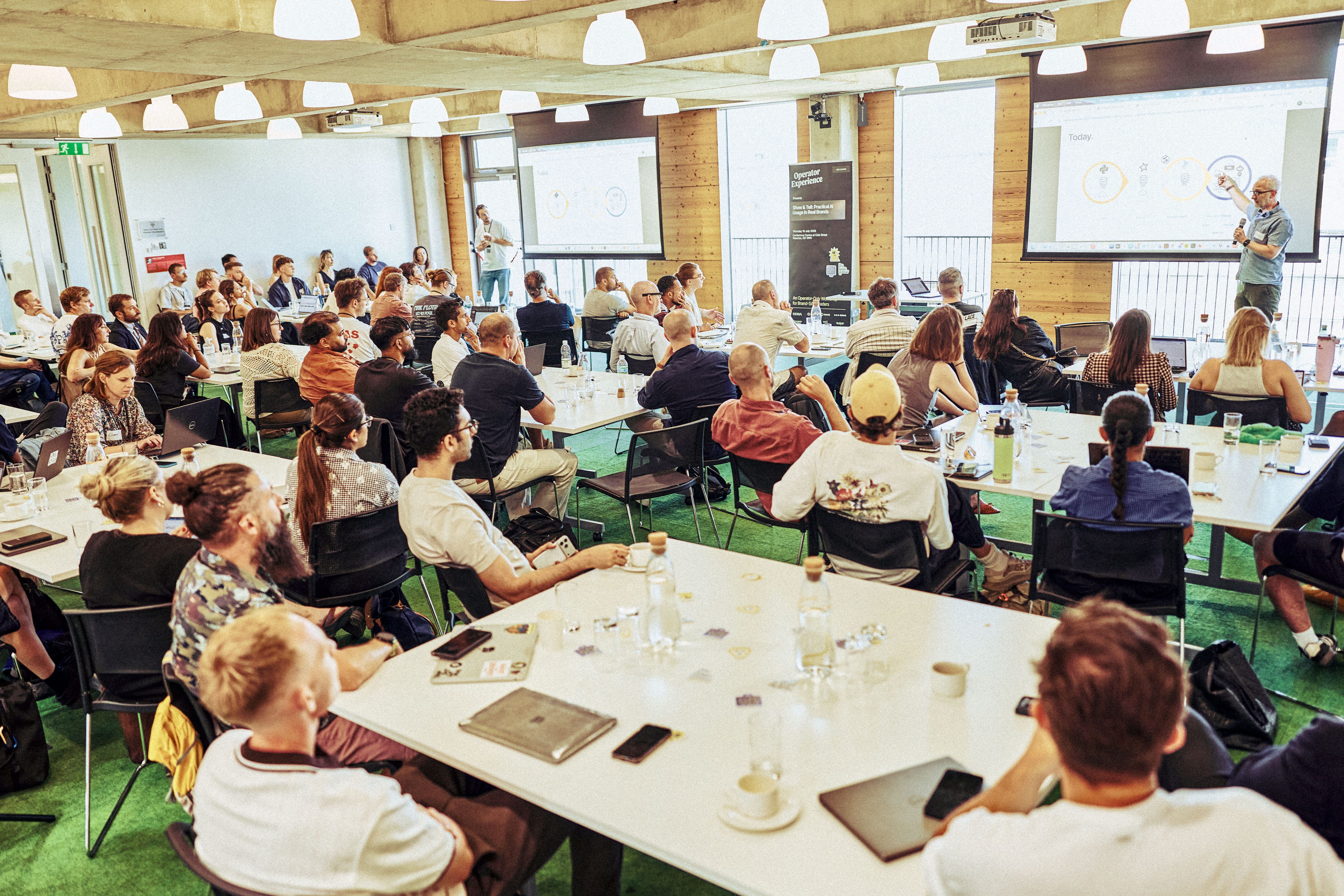
Operators from Liverpool FC, & Other Stories, Lindex, Björn Borg, Nudie Jeans, Houdini, Asket, Drake’s and House of Dagmar are among those registered so far, with more approvals going through each week. Titles range from CEO, COO and CFO to operators of ecommerce, production and operations.
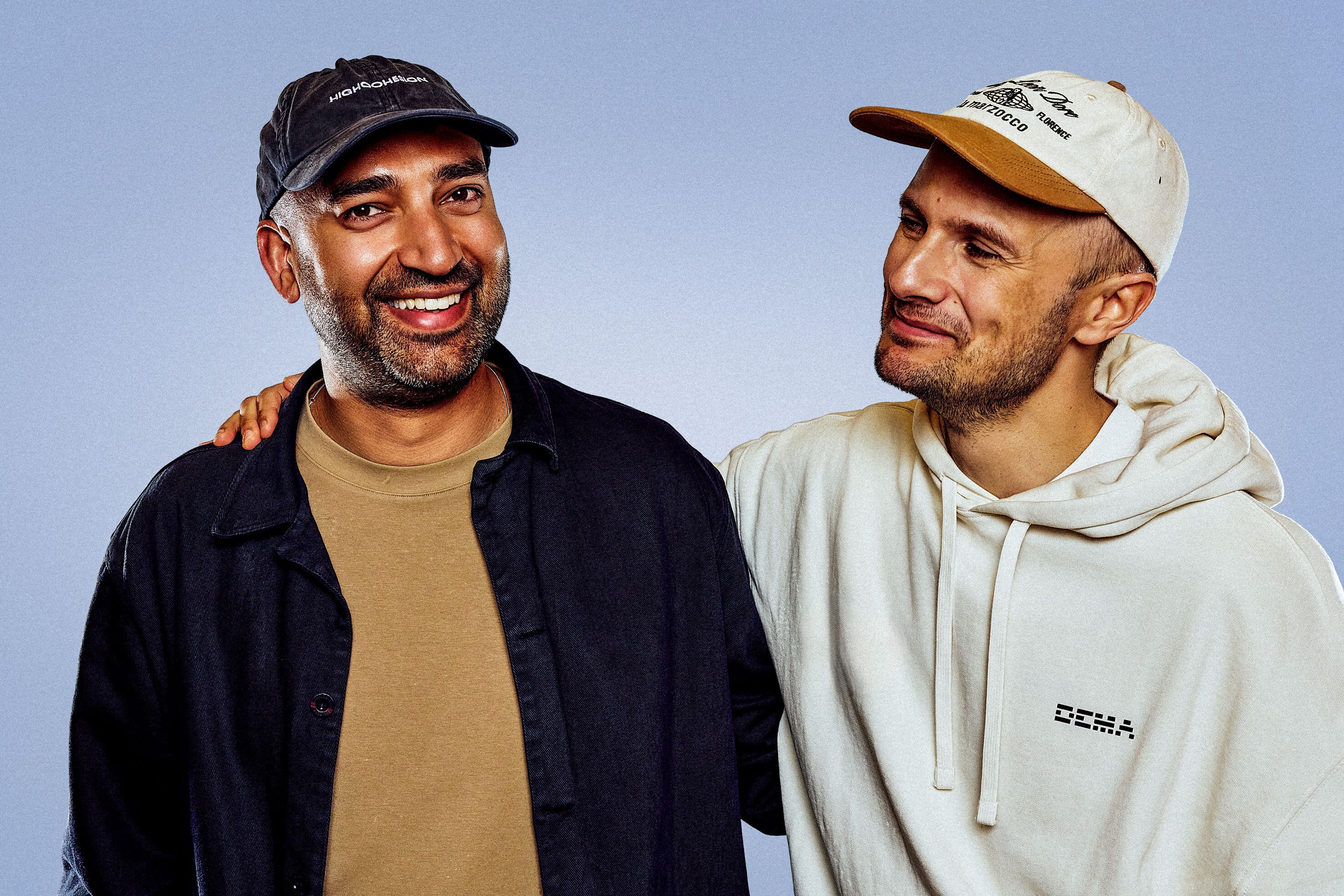
Dema are headline sponsor. You’ll hear from Dema, Centra, Resourced and Emfas, who lead the walkthroughs in the two rooms. Torque, HighCohesion, Loop, Pro Carrier, Vervaunt, Commerce Thinking and Whānau will be at the tables, each working on the part of the chain they know best.
What you take home
We want people to leave with a clearer view of how the systems in front of them now connect, from the first product sketch to the line in the P&L. We also want everyone to go home with one change they can make to how their own team works the following week, and a few people they’ll want to whatsapp for some guidance.
OX is for brand-side operators. If you run part of the chain inside a brand and haven’t registered yet, apply at operatorexperience.ai.